




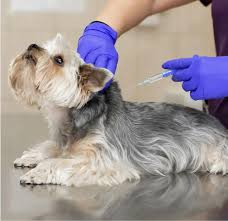
Veterinary injections play a critical role in maintaining animal health, improving productivity, and preventing the spread of diseases across livestock and companion animals. In today’s fast-evolving agriculture and dairy industry, the demand for high-quality veterinary injections has increased significantly due to rising awareness about animal wellness and disease control.
This blog provides a complete overview of veterinary injections, their types, benefits, applications, and why they are essential for modern veterinary care.
What Are Veterinary Injections?
Veterinary injections are pharmaceutical formulations administered directly into an animal’s body using a syringe and needle. These injections deliver active ingredients such as antibiotics, vitamins, hormones, or vaccines directly into the bloodstream or tissues for faster and more effective results.
Veterinary injections are widely used in livestock such as cattle, poultry, goats, sheep, and also in pets like dogs and cats. Their primary purpose is to treat diseases, prevent infections, and enhance overall animal health.
Types of Veterinary Injections
Veterinary injections are categorized based on their purpose and formulation. Each type serves a specific role in animal healthcare.
1. Antibiotic Injections
Antibiotic veterinary injections are used to treat bacterial infections in animals. They help control diseases such as respiratory infections, mastitis, and skin infections. These injections ensure quick recovery and reduce mortality rates in livestock.
2. Vitamin and Mineral Injections
Vitamin injections are essential for maintaining proper growth and boosting immunity in animals. They are commonly used in cases of deficiency, weakness, or stress. Minerals like calcium and phosphorus are also injected to support bone health and milk production.
3. Hormonal Injections
Hormonal veterinary injections are widely used in dairy and livestock farming. These injections help regulate reproductive cycles, improve fertility, and enhance breeding efficiency.
4. Vaccine Injections
Vaccines are one of the most important veterinary injections. They help prevent infectious diseases such as foot-and-mouth disease, rabies, and Newcastle disease. Vaccination programs are crucial for maintaining herd health.
5. Anti-Inflammatory and Pain Relief Injections
These injections are used to reduce pain, inflammation, and fever in animals. They are commonly administered after surgeries or injuries to ensure quick recovery.
Importance of Veterinary Injections in Animal Healthcare
Veterinary injections are indispensable in maintaining the health and productivity of animals. Their importance can be understood through the following points:
Fast and Effective Treatment
Injectable medications work faster than oral drugs as they are directly absorbed into the bloodstream. This ensures immediate action, especially in critical conditions.
Disease Prevention
Vaccination injections help prevent the spread of contagious diseases, protecting entire herds and reducing economic losses for farmers.
Improved Productivity
Healthy animals produce better milk, meat, and other by-products. Veterinary injections support growth, reproduction, and overall performance.
Accurate Dosage
Injections allow precise dosage control, ensuring the animal receives the exact amount of medication required.
Applications of Veterinary Injections
Veterinary injections are used across various sectors of animal farming and healthcare:
Livestock Farming
In dairy farms and poultry units, veterinary injections are essential for maintaining herd health, preventing diseases, and improving production efficiency.
Pet Care
Injections are widely used in pet clinics for vaccination, treatment, and routine health management of companion animals.
Animal Husbandry
Government and private veterinary services rely heavily on injections for large-scale immunization programs and disease control.
Export-Oriented Animal Products
For exporters dealing in dairy and meat products, maintaining animal health through veterinary injections ensures compliance with international quality standards.
Advantages of Using Veterinary Injections
Veterinary injections offer several benefits compared to other forms of medication:
- Rapid Action: Immediate therapeutic effect
- High Bioavailability: Maximum absorption of active ingredients
- Reliable Results: Consistent and predictable outcomes
- Versatility: Suitable for various types of animals and conditions
Proper Administration of Veterinary Injections
Correct administration of veterinary injections is crucial to ensure safety and effectiveness. The following practices must be followed:
Use Sterile Equipment
Always use clean and sterilized needles and syringes to avoid infections.
Follow Dosage Guidelines
Administer the correct dosage as prescribed by a qualified veterinarian.
Choose the Right Injection Site
Different injections require specific administration routes such as intramuscular, subcutaneous, or intravenous.
Monitor Animal Response
Observe animals after injection for any adverse reactions or side effects.
Challenges in Veterinary Injection Usage
Despite their benefits, veterinary injections come with certain challenges:
- Risk of incorrect administration
- Potential for injection site infections
- Need for trained professionals
- Storage requirements for temperature-sensitive products
Addressing these challenges requires proper training, quality products, and adherence to veterinary guidelines.
Growing Demand for Veterinary Injections
The global demand for veterinary injections is growing due to:
- Increasing livestock population
- Rising awareness of animal health
- Expansion of dairy and poultry industries
- Strict regulations on animal disease control
In countries like India, the veterinary pharmaceutical sector is rapidly expanding, making veterinary injections a key component of animal healthcare systems.
Choosing the Right Veterinary Injection Supplier
Selecting a reliable supplier is crucial for ensuring quality and effectiveness. Consider the following factors:
- Certified and approved products
- Compliance with international standards
- Wide range of veterinary formulations
- Strong distribution network
- Proper packaging and storage facilities
A trusted supplier ensures consistent product quality and supports better animal health outcomes.
Conclusion
Veterinary injections are a cornerstone of modern animal healthcare, offering fast, effective, and reliable treatment solutions. From disease prevention to productivity enhancement, these injections play a vital role in livestock farming, pet care, and animal husbandry.
With increasing demand and advancements in veterinary science, the importance of high-quality veterinary injections continues to grow. Ensuring proper usage, sourcing from reliable suppliers, and following veterinary guidelines can significantly improve animal health and overall farm productivity.
For businesses and farmers alike, investing in the right veterinary injections is not just a necessity but a strategic step toward sustainable and profitable animal management.